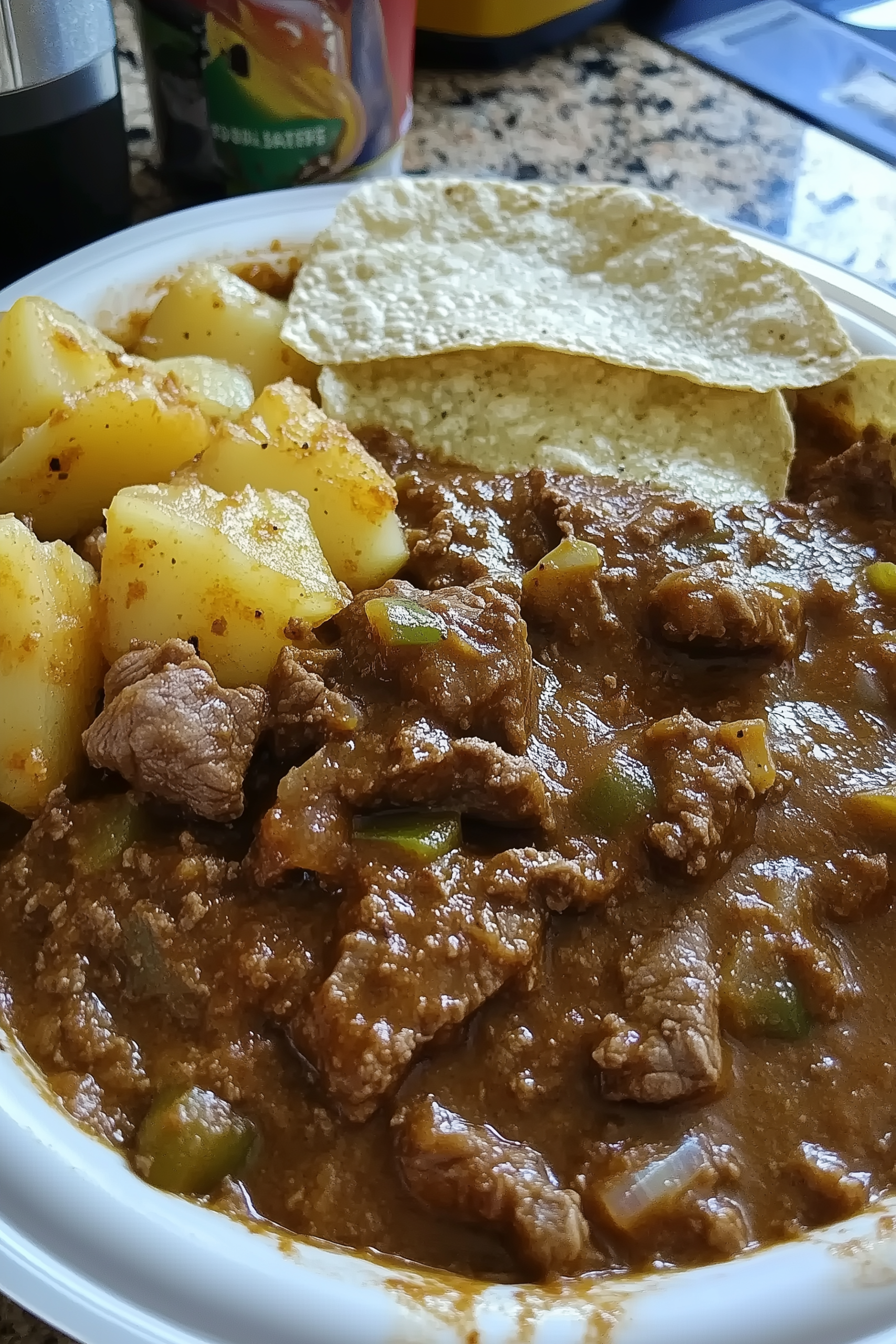
Unveiling the Soul of New Mexico: The Art of Perfect Carne Adovada
Few dishes embody the spirit and rich culinary heritage of New Mexico quite like carne adovada. This iconic stew, celebrated for its deep red hue and intensely flavorful marinated pork, is more than just a meal; it's a testament to centuries of tradition, a centerpiece of family gatherings, and a dish that truly warms the soul. While our introduction to carne adovada covered the basics, this article delves deeper into the nuances that elevate a good carne adovada to an extraordinary one, exploring its cultural significance, essential ingredients, and the techniques that guarantee a succulent, unforgettable experience.
At its heart, carne adovada is a slow-cooked dish where cubes of pork are marinated for hours, often overnight, in a vibrant red chile sauce before being braised to tender perfection. The magic lies in this marinade – a potent blend of dried New Mexico red chiles, garlic, oregano, and often a touch of cumin. It’s a dish that demands patience but rewards amply with every rich, spicy, and savory bite.
The Enduring Legacy: Why Carne Adovada Matters
The story of carne adovada is deeply woven into the fabric of New Mexican identity. Originating from Spanish colonial culinary traditions, it evolved with the introduction of New World ingredients, particularly the diverse and potent chiles native to the region. For generations, making carne adovada has been a ritual, especially during colder months, holidays, and special occasions. It’s a dish that signifies comfort, community, and the bounty of the land.
What sets carne adovada apart from other pork stews globally is its singular reliance on New Mexico red chiles. These chiles, grown in the fertile valleys of the Rio Grande, offer a unique flavor profile – earthy, slightly sweet, with a manageable heat that allows the other flavors to shine. The tradition of drying these chiles and then reconstituting them to make a rich, velvety sauce is fundamental. This process not only preserves the chiles but concentrates their flavor, providing the distinctive taste and color that is instantly recognizable as authentic carne adovada.
- Cultural Staple: A must-have at fiestas, Christmas dinners, and family celebrations across New Mexico.
- Flavor Profile: Earthy, savory, mildly spicy, with a depth that develops through slow cooking.
- Historical Roots: A fusion of Spanish stewing techniques and indigenous chile cultivation.
Crafting the Perfect Marinade: The Heart of Carne Adovada
The secret to truly spectacular carne adovada lies almost entirely in its marinade. This isn't merely a flavoring agent; it's a tenderizer and the very essence of the dish. Here's a closer look at the key components and how to master them:
Choosing Your Chiles: The Foundation of Flavor
For an authentic taste, you must use New Mexico red chiles. Look for dried whole pods, often labeled "New Mexico" or "Hatch" chiles. They come in varying heat levels – mild, medium, hot, and extra hot. For a balanced flavor that everyone can enjoy, a medium-heat chile is often ideal. If you prefer more kick, you can always add a few hotter chiles or a pinch of cayenne pepper later.
- Preparation: Remove stems and seeds (or most seeds for less heat). Toast them lightly in a dry skillet for 30 seconds to a minute to enhance their aroma, being careful not to burn them.
- Reconstitution: Soak the toasted chiles in hot water for 20-30 minutes until softened. This step is crucial for achieving a smooth, vibrant sauce.
The Aromatic Backbone: Garlic, Oregano, and Cumin
These three ingredients are indispensable. Use fresh garlic, and don't be shy with it – carne adovada benefits from a generous amount. Mexican oregano, with its earthier, less minty flavor than Mediterranean oregano, is highly recommended. Cumin adds a warm, pungent note that rounds out the chile flavor beautifully.
Selecting the Right Pork Cut
For the best results, opt for a cut of pork that benefits from slow cooking. Pork shoulder (Boston butt) is the classic choice due to its excellent marbling and connective tissue, which breaks down during cooking to create incredibly tender meat. Cut the pork into 1.5 to 2-inch cubes. This size ensures they hold up well during long braising and absorb the marinade deeply.
The Slow Art of Cooking: Achieving Unrivaled Tenderness
Once your pork is thoroughly marinated – ideally for 12 to 24 hours – the cooking process is straightforward but requires patience. The goal is fork-tender pork bathed in a rich, thick, and flavorful chile sauce.
Browning the Pork (Optional but Recommended): Some cooks prefer to brown the marinated pork cubes in batches before slow cooking. This step adds an extra layer of flavor through the Maillard reaction, contributing to a richer final dish. If you choose this, pat the pork dry slightly after marinating (reserving any excess marinade) and sear in hot oil until nicely browned on all sides.
The Braising Process:
- Combine: Place the marinated pork (and any reserved marinade) into a heavy-bottomed pot, Dutch oven, slow cooker, or Instant Pot. Add a bit of chicken or vegetable broth if the sauce seems too thick; you want the pork mostly submerged.
- Simmer Slowly:
- Stovetop/Oven: Bring to a gentle simmer, then cover and cook in a preheated oven at 300°F (150°C) or on the stovetop over very low heat for 2.5 to 4 hours. The longer, the better, until the pork is incredibly tender and easily shredded with a fork.
- Slow Cooker: Cook on low for 6-8 hours or high for 3-4 hours.
- Instant Pot: Pressure cook for 45-60 minutes with a natural release, then simmer on sauté mode to thicken the sauce if needed.
- Thicken (if necessary): If your sauce is too thin, you can remove the pork, bring the sauce to a simmer, and reduce it to your desired consistency. Some recipes call for a cornstarch slurry or a small amount of masa harina to thicken.
- Taste and Adjust: This is crucial. Taste the sauce. Does it need more salt? A pinch of sugar to balance the heat? A splash of vinegar for brightness? Adjust seasonings to your preference.
Serving Suggestions and Beyond
Carne adovada is incredibly versatile and makes a fantastic meal any time of day. Its robust flavor pairs wonderfully with simple accompaniments.
- Traditional Style: Serve with warm flour or corn tortillas, pinto beans, and Spanish rice. A side of pickled onions or a sprinkle of fresh cilantro adds a nice contrast.
- Breakfast Burritos: It's a sensational filling for breakfast burritos, especially when combined with scrambled eggs and cheese.
- Nachos or Tostadas: Use leftover carne adovada as a topping for epic nachos or crispy tostadas.
- Stuffed Sopapillas: For a true New Mexican experience, stuff freshly fried sopapillas with this savory pork.
Leftover carne adovada tastes even better the next day as the flavors continue to meld. It stores well in the refrigerator for up to 3-4 days and freezes beautifully for several months, making it an excellent meal prep option. For those looking to experiment further, explore advanced techniques and modern twists in our guide to elevating your carne adovada.
Conclusion
Mastering carne adovada is a rewarding culinary journey that connects you directly to the heart of New Mexican cooking. From carefully selecting the vibrant red chiles to patiently marinating and slow-cooking the pork, each step contributes to a dish of profound depth and flavor. It’s a celebration of simple, quality ingredients transformed into something truly extraordinary through time and tradition. Whether you're making it for a special occasion or a comforting weeknight meal, the effort is undoubtedly worth it, promising a taste experience that is both authentic and utterly delicious.
